
Every business owner should be familiar with each type of Google Ad Campaign, breaking down the types and the general price.
If you want to know more about what exactly Google Ads are, click here.
Each Ad campaign has its own pros and cons and serves individual purposes for your business.
From conversions to leads and visibility, individual campaigns target different audiences, so it’s important to choose the right one for your target audience.
While each campaign is capable of driving conversions, it’s the actual content of the ad that usually determines the capability for successful leads and conversions.
Let’s start out with the most talked-about campaign type…
Performance Max Campaigns
Performance Max campaigns are Google Ads campaigns designed to maximize conversions.
Google Ad campaigns typically use a single channel, providing greater control over details such as targeting, placements, bidding, and keywords.
[insert image here]
However, Performance Max campaigns use multiple channels to display ads and typically rely on greater automation to handle the details.
Performance Max Campaigns typically work better with fewer products.
Search Campaigns
This campaign is the sponsored results section of a search result. An example is shown below:
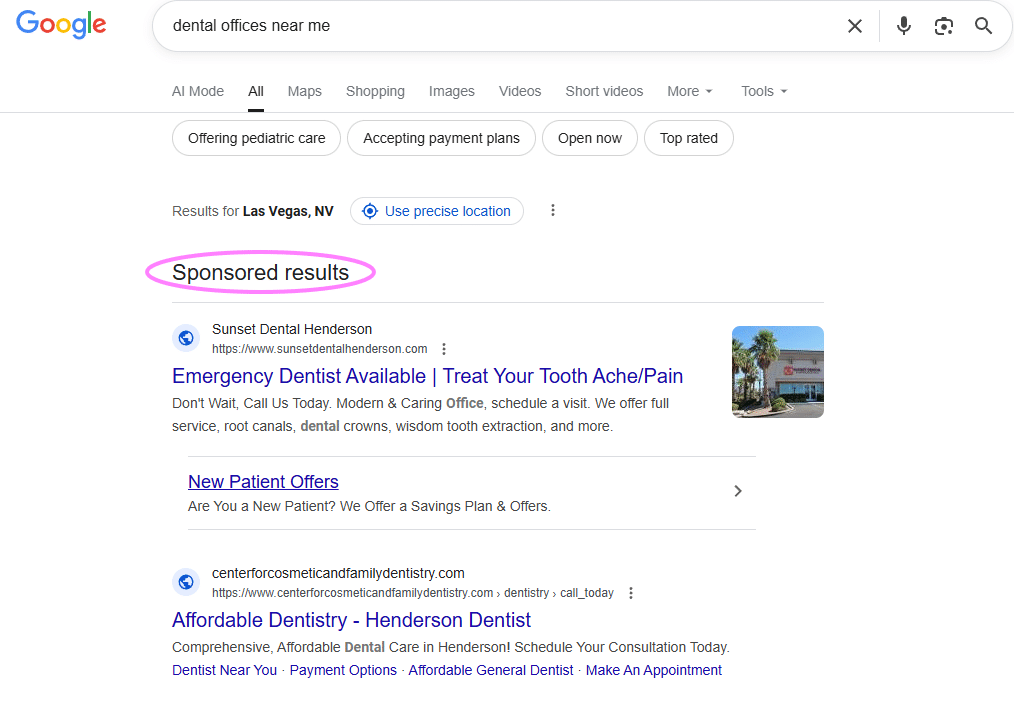
These are great for any business looking to make sales and leads, but are best for getting traffic to a website.
Search ads are good for businesses that have a longer sales cycle. They can also be highly targeted, reaching the exact demographic a business is looking for.
Display Campaigns
Display campaigns focus on image and video advertisements that appear on websites, Google apps, and YouTube.
These ads are a good way to get lots of reach and recognition, as even if an audience doesn’t click the ad, they will likely see it, and thus the product will be on their mind.
This type of ad is best for boosting awareness. When people see a brand, they will be more likely to consider the products familiar to them. For example:

Video Campaigns
Similar to Display ads, Video Campaigns are 15 – 30+ second videos shown on YouTube and other video websites.
Like display ads, these are great for expanding the reach and awareness of a business brand or product. These types of ads can also drive conversions if that’s a goal of the ad.

There are lots of things a business can do with video ads, since they can really vary in length and pace; these are some of the most customizable ad categories.
Some of the most memorable video campaigns are from companies like Geico or State Farm, with their ever-present mascot and catch phrases.
App Campaigns
App campaigns help drive people to use a specific app through ads pushed to Google Search, Google Play, YouTube, and various websites and apps across the World Wide Web.
These app advertisements are the best option for getting people to install an app, driving engagement, and encouraging sign-ups on mobile devices.
This category has great reach across multiple media types with a focus on mobile marketing to drive people to install, engage, and register with an app.
Shopping Campaigns
Shopping campaigns show up when people enter a search related to the shopping section in the Google Shopping tab. Google will display shopping ads in the shopping or search results section to users.
This option is great for businesses that are looking to make sales or leads for their product(s) and their store. Often driving people to buy a specific product, or send them to a business store page.
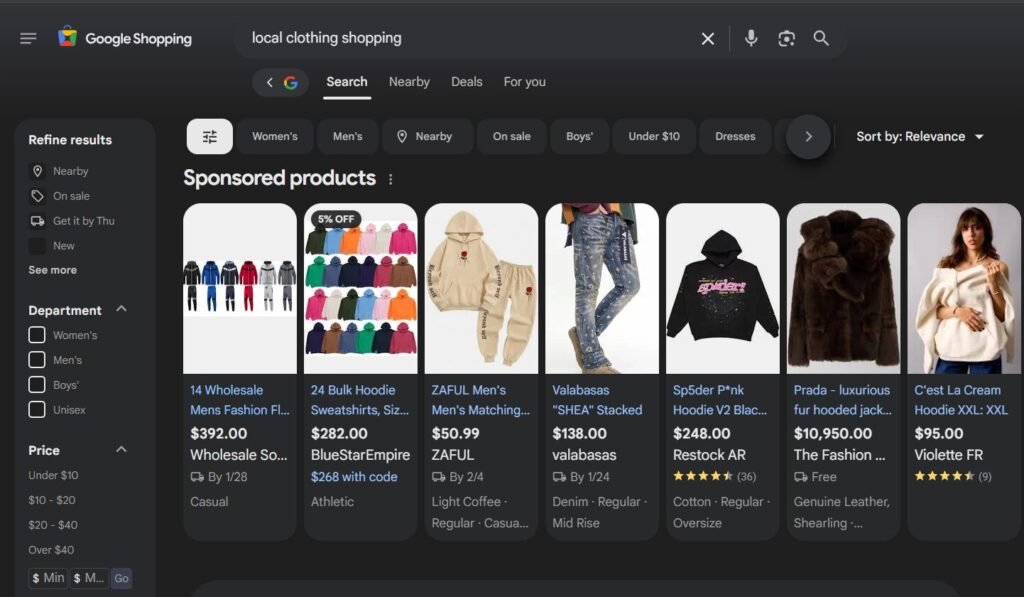
This campaign also works well for local stores, to show up in local search feeds to get people to come into a physical store location.
Demand Generation Campaigns
What used to be Video Action Campaigns and Discovery campaigns have been replaced with this campaign option.
This is a suitable campaign option for businesses seeking to promote themselves through multi-format strategies. These campaign ads appear in Gmail, Discover, YouTube, and the Google Display Network.
The Ad format for Demand Gen Campaigns includes more options than the deprecated VAC and Discovery options. These include instream and in-feed videos, shorts videos, as well as images.
This option is good for getting targeted consumers based on a first-party data group.
Smart Campaigns [Deprecated]
This type of ad campaign allows a business to pick a goal for itself and lets Google do the heavy lifting, determining where and when to place ads in front of consumers.
Smart Campaigns use AI to direct ad placement based on information entered when creating the campaign, as well as the type of business. The relevant information includes the following. Campaign goal, either to get more calls, more sales, or leads to a website, consumers to visit a physical location, or more engagement views on YouTube.
Once Google has the goal and can collect data about a business from the business website, Google AI creates ads for the website, which may be changed before going live.
Finally, Google uses keywords, targeted locations, and budget to finish creating the ad campaign.
This type of Google Ads Campaign is useful for businesses that want to get their advertisements out to everyone and let Google take the wheel, doing the work for them.
In our experience, this type of Google Ad Campaign ends up having less customizability and effectiveness for small businesses. Although they can be effective at increasing traffic, they often send irrelevant traffic that doesn’t convert.
Local Campaigns [Deprecated*]
Local campaigns are just what they sound like, meant for local businesses to drive local traffic to visit their online store or in-person location.
The main benefit to Local Campaigns over other ad types is that Google can filter demographics based on users who are most likely to actually come in and visit a local business. Making this choice highly targeted and more likely to convert to more physical traffic to a store.
*This campaign type now falls under the Performance Max Campaign type.